

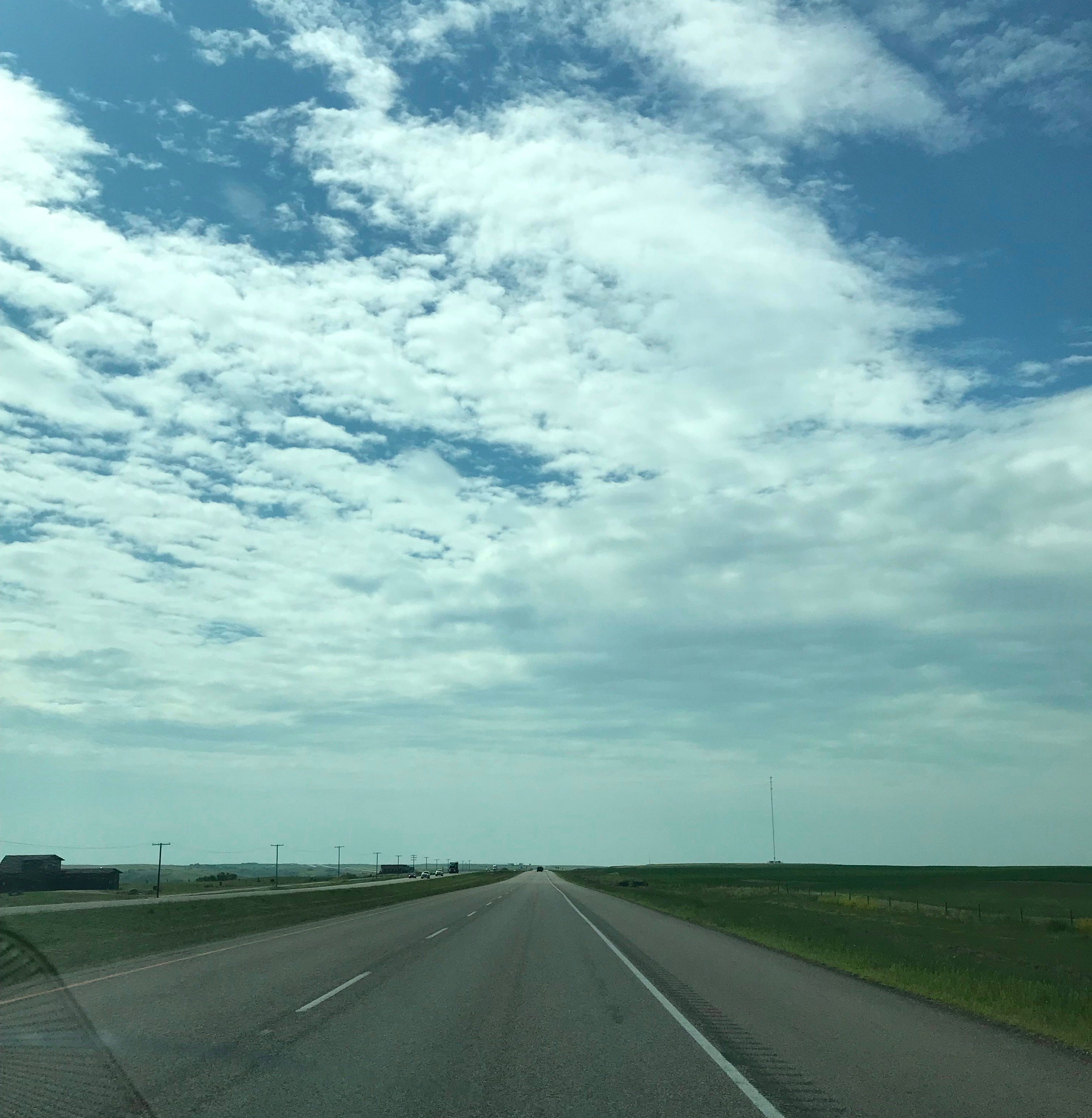
When I was growing up, my family drove to Kenosee Lake for a two-week holiday in August, and Dad was in the driver’s seat. On a short trip in 2016 with my husband and me, Dad was in the passenger’s seat. This summer he was in the trunk—in a cardboard scatter tube containing his ashes.
My father was not a sentimental man. Except for when he bungled a putt on the golf course or a player from his favorite baseball team dropped the ball, he was not given to expressing his emotions freely. More intimate feelings had to be dug out of him, and even then, he was reticent and parsimonious at best. A couple of years before he died at the age of 96, I asked him what he wanted done with his ashes, and he replied that he didn’t care, we could just dump them in the South Saskatchewan River.
Dad was not attached to any particular place. Born in Outlook, Montana to American parents who emigrated to Canada the year after he was born in 1927, Dad lived most of his life in Saskatchewan. He worked for the Saskatchewan Wheat Pool, first as a grain buyer in hamlets and villages with more grain elevators, it seemed, than houses until he was promoted to Travelling Superintendent, a position that also came with frequent moves around the province and daily driving around his assigned territory.
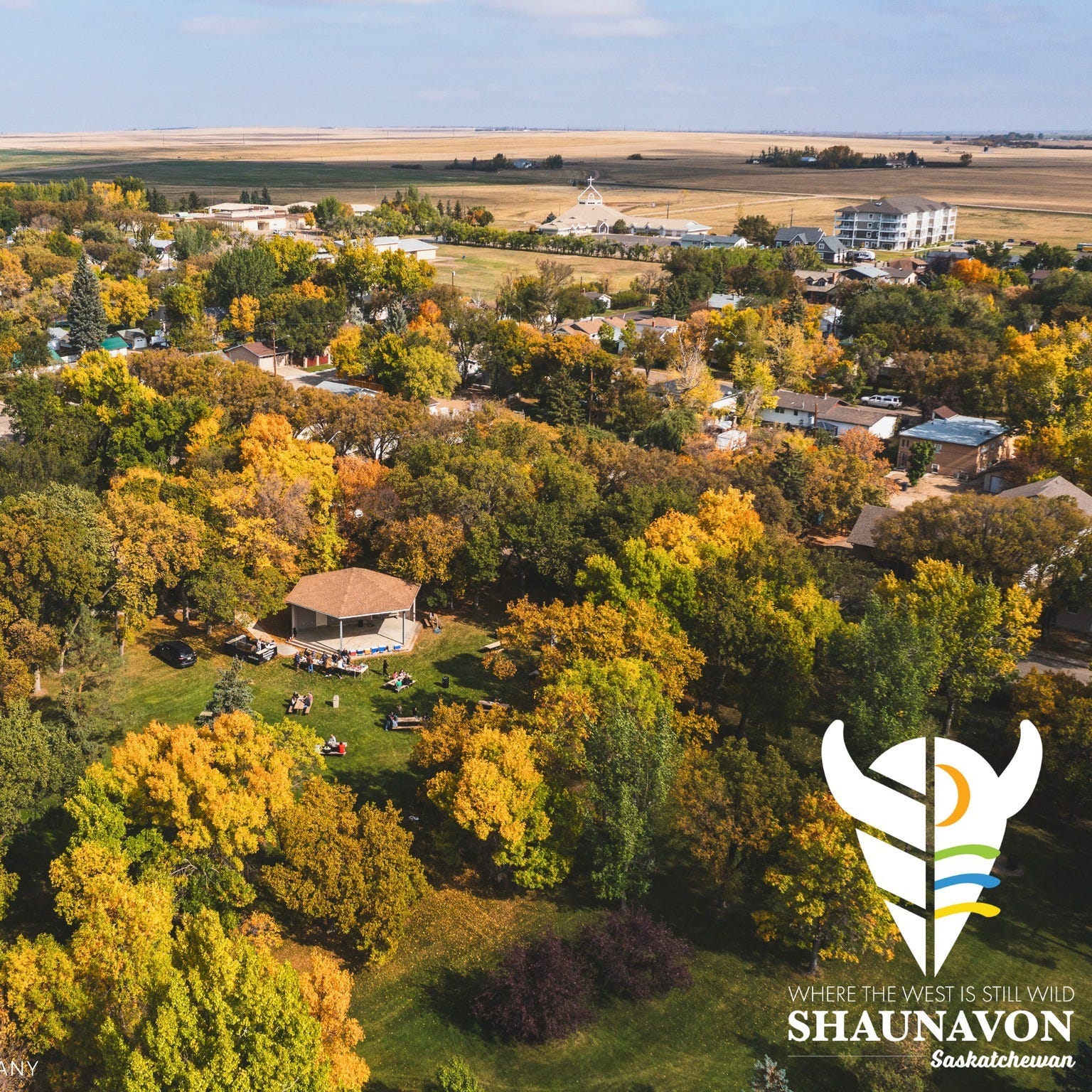
The one town where my family had lived the longest was Shaunavon, our ninth move since I was born in 1953.
A number of further moves came after I had left home and my parents later divorced. Into his retirement, Dad had lived for a few years in Nelson and Creston, BC, then moved back to Saskatoon where he lived in a seniors’ complex until his last fall put him in a care home. On April 17, 2022 he passed away at City Hospital with his three kids and two sons-in-law at his side.
A more dignified option than dumping Dad’s ashes in the river would come up occasionally during family FaceTime calls. One idea was to plant Dad’s remains with a tree on the golf course in Saskatoon where my brother works, but this summer we arrived at the idea of scattering Dad’s ashes on his parents’ graves in the village of Kennedy. My husband and I were going to Saskatchewan in conjunction with my 55th high school reunion in Shaunavon, and what could be more fitting than taking Dad along on his last road trip? Being on the road wasn’t just part of Dad’s job; like golfing, driving was an essential part of who he was. It’d be impossible to add up the miles he’d put on all the cars he ever owned, and giving up his last car and his driver’s licence did not come easy!
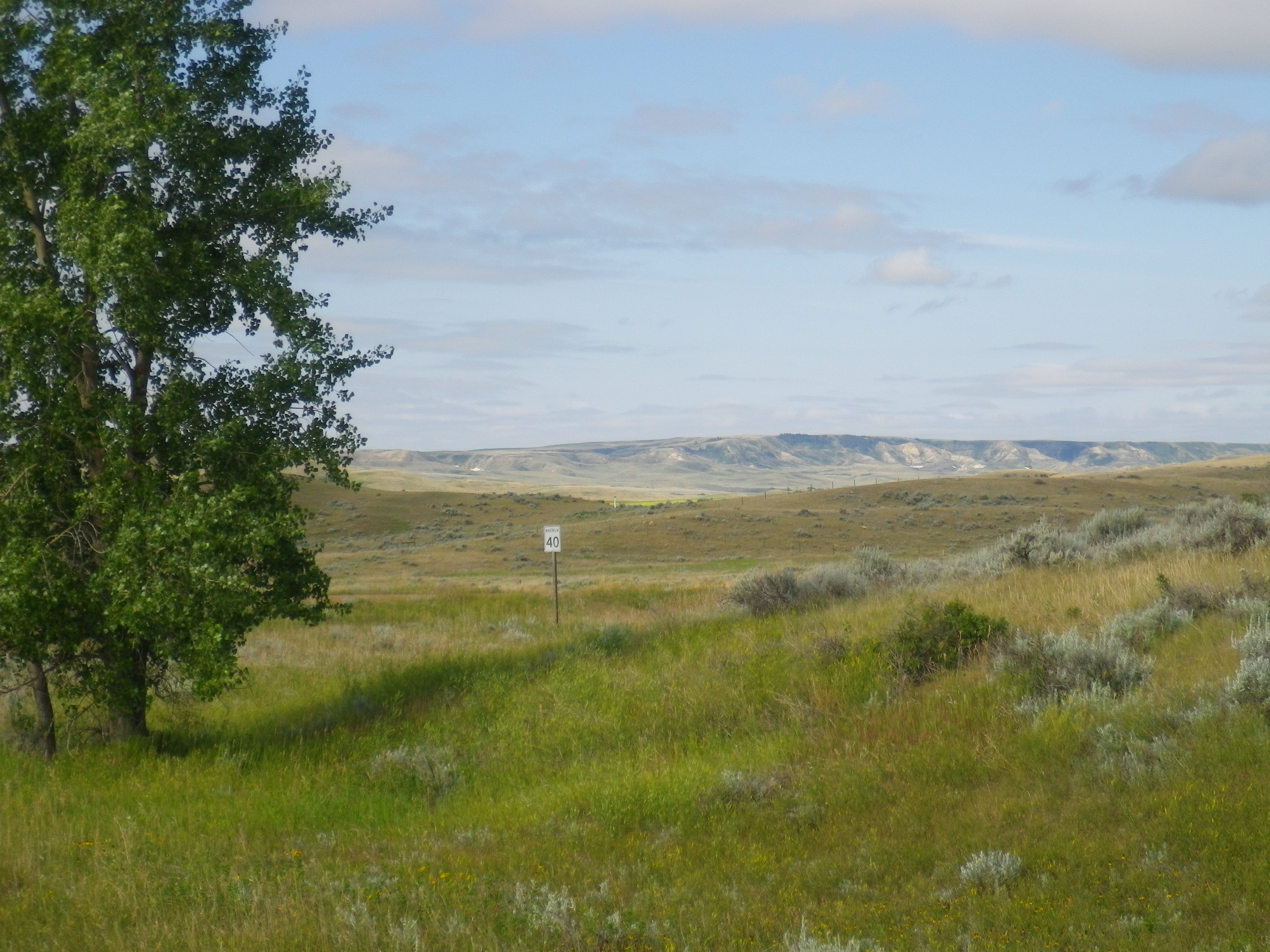
With our suitcases and Dad stowed in the trunk of our rental car, we set off from Saskatoon. While in Shaunavon, we took day trips to the Grasslands and Cypress Hills National Parks along quiet roads through wild, rolling countryside that Dad had driven in every season and all kinds of weather. Before we left in the morning, we’d check to see that Dad was still safe and secure in his corner of the trunk. My worst thought at the risk of sounding disrespectful or facetious was the lid coming off and our having to vacuum Dad up before we got him to his final resting place.
Why the trunk, you might ask for heaven’s sake, and not keep him somewhere more dignified on the backseat or in the front? Good question! My answer is that we didn’t want someone looking into the car and thinking that the green velvet bag with the scatter tube inside contained something of monetary value. Having to report Dad stolen would’ve been a worse prospect than vacuuming him up. Besides being unsentimental, Dad did not place great value on ceremony, appearances or other people’s opinions. He also had a sense of humour, and I like to think he shared a laugh at the picture of himself rolling around in the trunk as we drove over bumpy roads and up and down hills, as if in some off-beat road movie.
From Shaunavon, we left for Kenosee Lake. There are two routes to Moose Mountain Regional Park, both of which I remember as being long (553 and 490 km.), hot, and restless with the usual stops for gas, lunch and bathroom breaks. On the way to the lake, Dad used to take the Trans-Canada to Regina and the quieter #48 so we could stop first in Windthorst to visit Mom’s elder sister and next in Kennedy to pick up the keys to our grandparents’ cottage. Passing villages with names painted on the grain elevators—Vibank, Odessa, Kendal, Montmartre, Glenavon, Windthorst, Kipling, Inchkeith, Kennedy—was like counting down the days to Christmas.
As a kid, I loved going to the lake. Summer holidays meant afternoons on the beach. Family get-togethers and barbeques on the weekend with grandparents, aunts, uncles and cousins. Going fishing and taking rides in Grandpa’s aluminum boat. Sleeping in bunkbeds. Mom and Dad having noisy, cigarette smoke-filled parties with friends. Good, fun times despite sunburns, mosquito bites, and the rare thunderstorm.
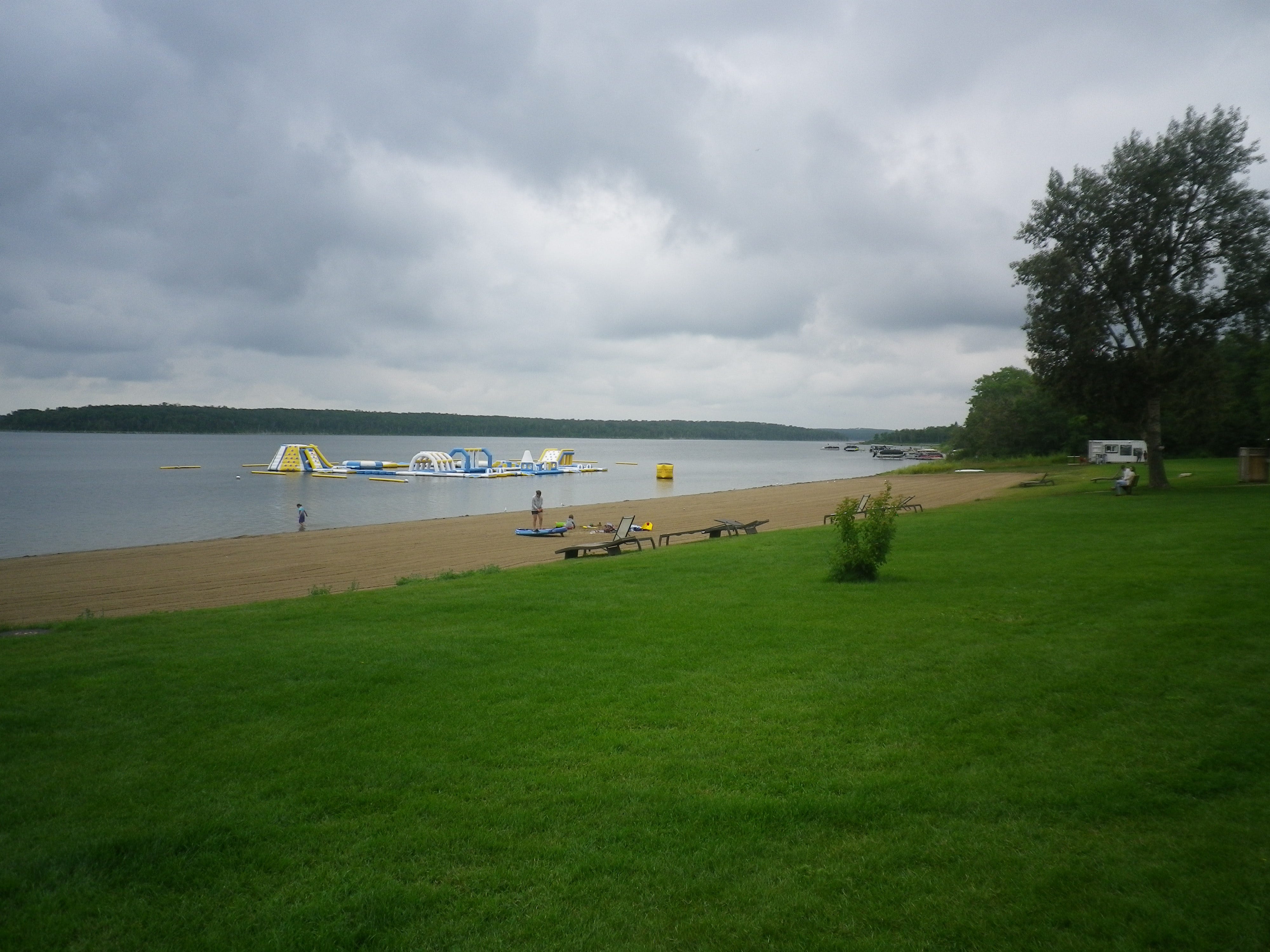
On the way home, Dad usually drove the shorter, more southerly Red Coat Trail. This is the route that my husband I took. The last time we’d been to Kenosee Lake with Dad in 2016, the park entrance, the chalet, and the lake were still recognizable. Changes included a hotel, a bigger store and paved walking trails, but there was nothing disfiguring or disorienting this time, either. For mid-July, the place was much quieter than I remembered at the peak of summer, but this was Tuesday, not the weekend when holidayers were sure to appear en masse.
The turn-off to our old cottage at the top of Confederation Drive was easy to find. But instead of the small salmon pink two-bedroom cottage with a flat green roof that my uncle and grandfather had built, there stood a full-size house with a two-car garage and a paved driveway, as was the case with the subdivision we drove through where mostly big, full-size houses had replaced funky, makeshift cabins with outhouses in the bushes, rain barrels and names like Dew-Drop-Inn, The Last Resort and Stay Awhile. The boathouse and dock where we kids used to catch frogs, paddle around, sunbathe and read comic books were long gone, and the steep,, grassy hill leading down to the water seemed remarkably flat and short. On our way in and out of the park, we only passed the golf course where Dad and his friends had played many a game—the source of animated replays, spicy curses, and good-humoured jokes over a number of cold beers back at the cottage.
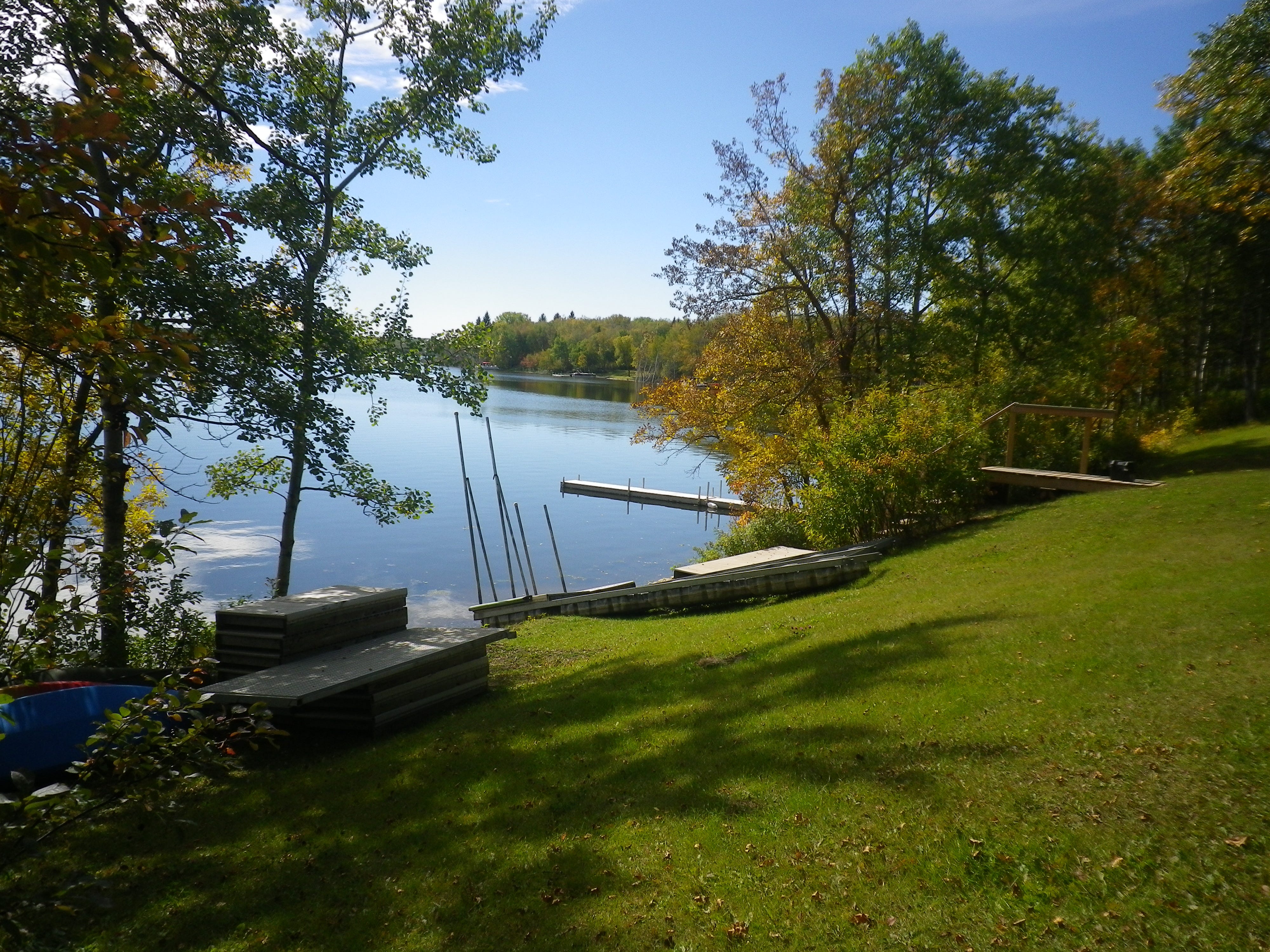
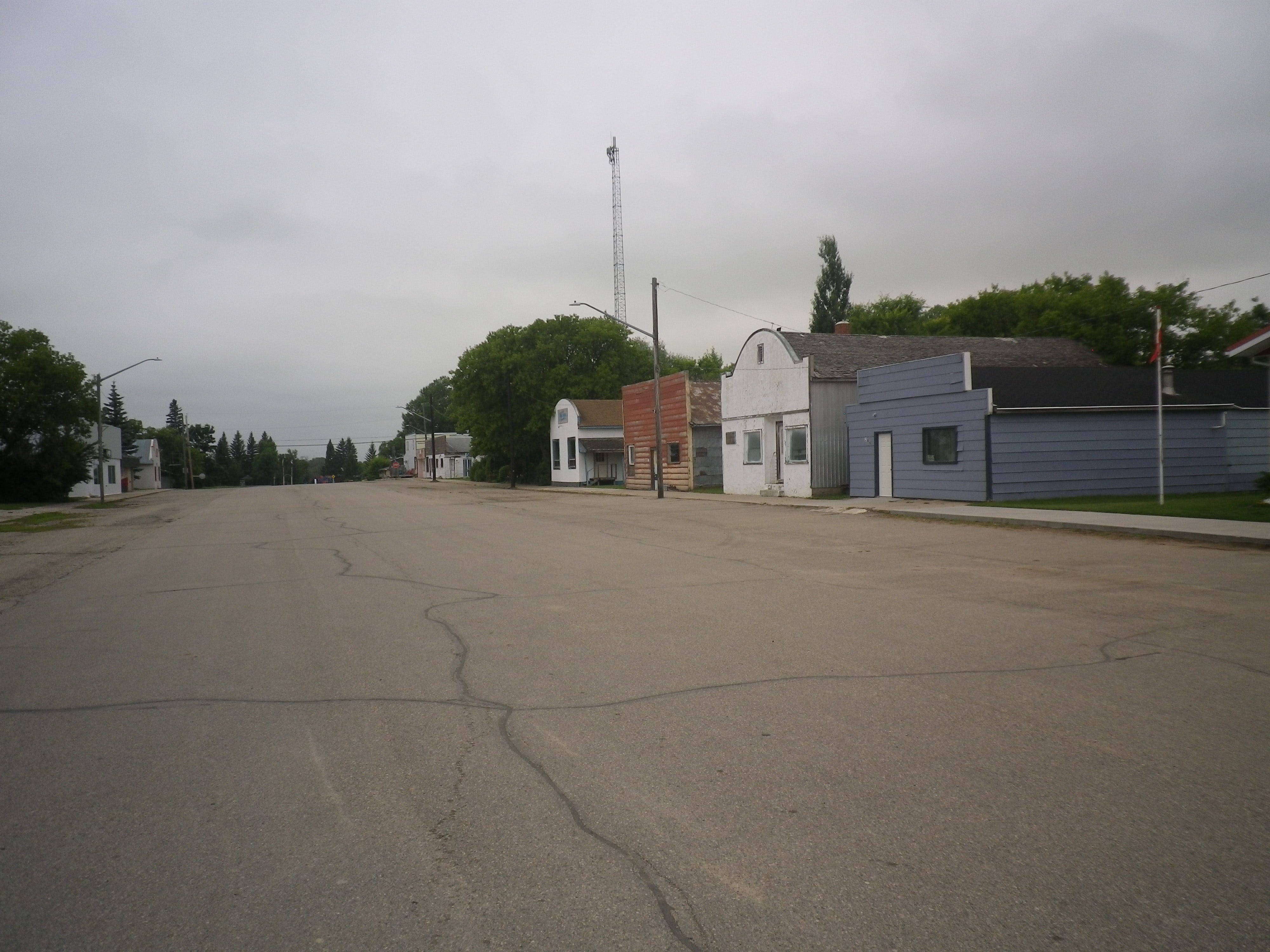
The next day we concluded Dad’s last road trip. It had started to spit during our fifteen-minute drive from our hotel to Kennedy but co-operatively stopped before we got to the village cemetery at the end of Hiltz Drive. In contrast to Kenosee Lake the village, now no more than a bedroom community, had changed dramatically. There was no more Gardiner’s Garage—the first place my sister and I always headed to buy a comic book and a bottle of pop—and no more Dodd’s grocery store or butcher shop where we went shopping with Grandma. My grandparents’ old house was still there, painted dark red instead of white, and the yard was nowhere as immaculate as Grandma had kept it. With a tinge of nostalgia, I saw that the house was up for sale.
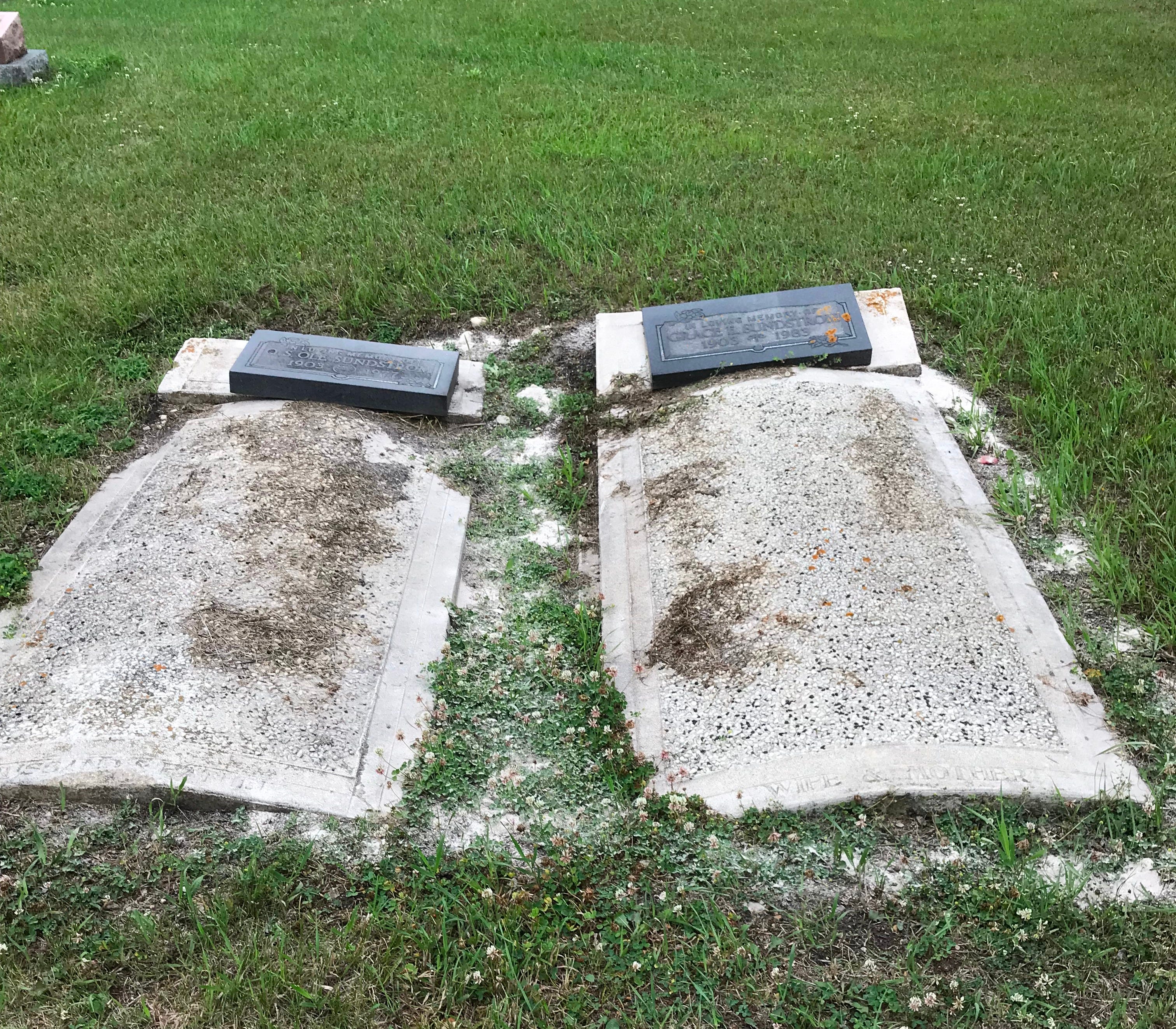
To get permission from the village council to scatter Dad’s ashes, I had contacted the village administrator who’d emailed me a map highlighting my grandparents’ graves near the northeast perimeter. A good thing, because the only time I’d ever been to the cemetery was for my grandfather’s funeral in 1976. I managed without a copy of the map in hand to cut a pretty straight path to my grandparents’ graves. The gravestones had sunken somewhat into the ground, but the plaques bearing Grandma and Grandpa’s names were perfectly legible.
Dad’s ashes weighed at least a good three pounds. Having sat for over two years in my brother’s house, they’d settled so that I had to give the tube a good shake and bang it against a gravestone to loosen up the clumps. Like my father, I’m not given to sentimentality. Besides, there was comfort in the fact that Dad had lived a long and reasonably good life and he had chosen a medically-assisted death over waiting to die bedridden in a dreary nursing home. What I was symbolically scattering above the skeletal remains of the good man and woman who’d given Dad life was only bits of phosphate, calcium and other bone minerals. Like Grandma and Grandpa before him, Dad had long gone home.
When and if I ever go back to Kennedy, Dad’s ashes will have blown away in the wind or washed into the ground. Then, what does it matter where our remains end up—in a grave, a shrine, a columbarium, a garden or an urn on a mantelpiece? All that counts is the roads we travel in our lifetime and the people who have loved and accompanied us along the way.
Memories are all that remain of us after we're gone from this plain of existence... Glad you created some new ones to mix with the old ones of happier times with your dad.
I loved reading your essay about your trip with your Dad's ashes. I was born in 1946 so maybe it won't be all that long before I am a jar of ashes. Thanks.